


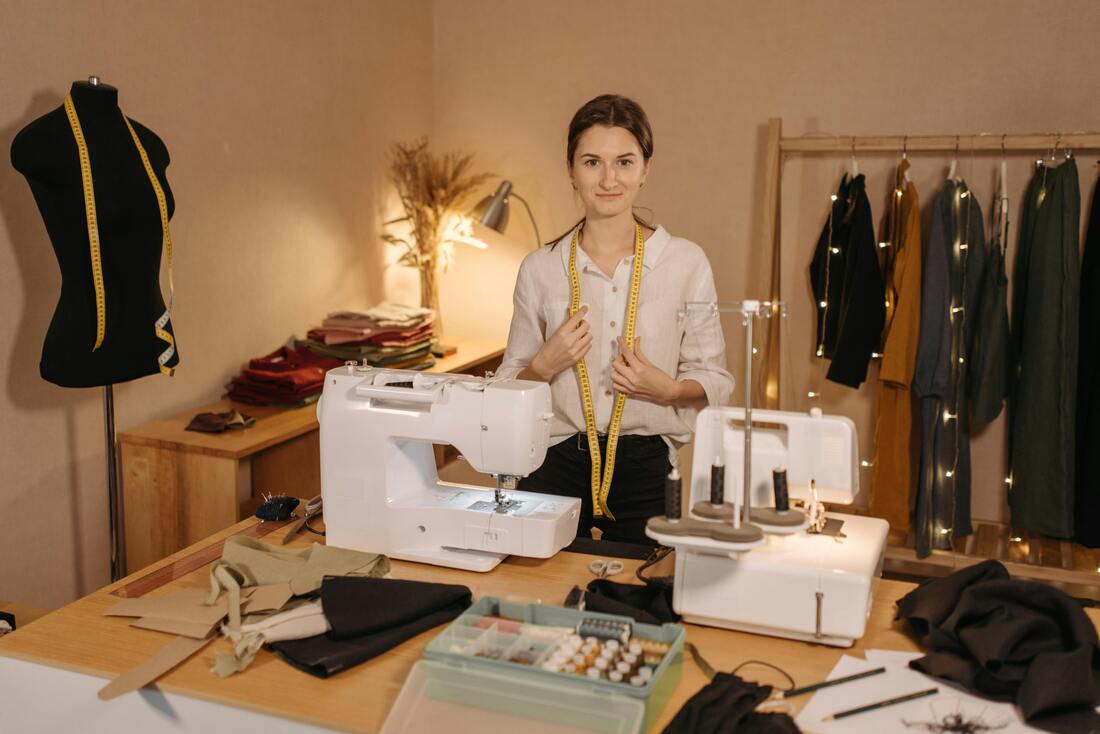
1. Sewing Machines: What Are They?
A sewing machine is basically a tool that uses thread to stitch cloth and other stuff together. It's way faster than sewing by hand and makes stitches that are even, strong, and can even look fancy.
2. Kinds of Sewing Machines
You can sort sewing machines by how they work, what they're for, or how they're made.
A. How They Work
Simple Sewing Machines
You control these by hand.
You turn knobs to set how long and wide the stitches are, and how tight the thread is.
They last a long time and are easy to fix.
Fancy Sewing Machines
These use computer chips.
They can thread the needle for you, pick the stitch, and control how fast it goes.
They can remember patterns and do embroidery.
Auto Sewing Machines
These do stuff like buttonholes, sewing backward, and cutting the thread all by themselves.
People use these in sewing businesses.
B. What They're For
Home Sewing Machines
These are for using at home.
They're light, small, and easy to use.
Usually, they work on cloth that's not too thick.
Work Sewing Machines
These are tough and can run all day long.
They can sew thick stuff like leather, jeans, and canvas.
Some do just one thing, others do lots of things (like straight stitches or overlock).
Special Sewing Machines
Overlock/Serger: Makes the edges of cloth neat so they don't fall apart.
Embroidery Machines: Does fancy stitching by itself.
Quilting Machines: Made for sewing lots of layers of cloth together.
Walking Foot Machines: Made for thick or lots of layers of cloth.
3. Sewing Machine Bits and Pieces
It helps to know what the parts are called so you can use and look after your machine:
Needle – Pokes through the cloth and pulls the thread through.
Presser Foot – Holds the cloth still while it's being sewn.
Feed Dogs – Move the cloth along under the needle.
Bobbin & Bobbin Case – Has the thread that goes underneath.
Tension Discs – Change how tight the thread is.
Thread Spool Pin – Holds the spool of thread.
Handwheel – You turn this to move the needle up and down by hand.
Stitch Selector – Lets you pick what kind of stitch you want.
Foot Pedal – Makes the machine go faster or slower.
Reverse Lever/Button – Lets you sew backward to make the seam stronger.
4. Kinds of Stitches
Sewing machines can do all sorts of stitches:
Straight Stitch – The normal stitch for sewing seams.
Zigzag Stitch – For stretchy cloth or making edges neat.
Buttonhole Stitch – For making buttonholes.
Blind Hem Stitch – So you can't see the hem on the outside.
Stretch/Stabilized Stitches – For stretchy fabrics.
Decorative Stitches – For making fancy patterns.
5. How to Sew
Easy Steps:
Put thread in the machine – Follow the picture to thread the top and bottom (bobbin).
Pick a stitch – Pick the right stitch and how long you want it.
Change how tight the thread is – So it works with the cloth and thread.
Put the cloth in place – Under the presser foot.
Start sewing – Press the foot pedal and move the cloth along a little.
Sew backward – At the start and end to make it strong.
Cut the threads – When you're done, snip off the extra thread.
6. Looking After Your Machine
Keep it clean to make it last:
Clean it a lot
Take out the fluff from the bobbin area, feed dogs, and around the needle.
Oil it
Put sewing machine oil on the moving parts if it says to.
Change Needles
Put in new needles often so it doesn't skip stitches or mess up the cloth.
Check Thread
Make sure the thread is tight enough for good stitches.
Cover it Up
Keep dust and wetness away.
7. Picking a Sewing Machine
What for: Are you using it every day, now and then, or for thick stuff?
Stitches: Does it have the stitches you need?
Easy to Use: Does it thread itself, move the needle up and down on its own?
Strong: Is the frame metal or plastic?
Looking After it: Is it easy to clean and get fixed?
Easy to Carry: Does it weigh much, if you move it a lot?
8. Be Careful!
Keep your fingers away from the needle.
Turn it off when you're threading or changing the needle.
Don't sew over pins.
Use the right needle and thread for the cloth.
Don't pull the cloth; let the machine move it.
9. Cool Stuff on New Machines
Cuts the thread for you.
Lets you set how fast it goes.
Remembers stitch patterns.
Has a screen for picking stitches.
Has letters for embroidery.
10. Fixing Problems
Problem Cause Solution
Thread bunches up under cloth Bobbin not threaded right Thread the bobbin and top thread again
Needle breaks Wrong needle or bent Use the right needle and put in a new one
Skips stitches Needle damaged or loose Put in a new needle or tighten it
Machine gets stuck Fluff, wrong threading, or thread Clean it, re-thread, change thread tightness
Cloth crinkles Thread too tight or wrong presser foot Change thread tightness, use the right presser foot
A sewing machine is basically a tool that uses thread to stitch cloth and other stuff together. It's way faster than sewing by hand and makes stitches that are even, strong, and can even look fancy.
2. Kinds of Sewing Machines
You can sort sewing machines by how they work, what they're for, or how they're made.
A. How They Work
Simple Sewing Machines
You control these by hand.
You turn knobs to set how long and wide the stitches are, and how tight the thread is.
They last a long time and are easy to fix.
Fancy Sewing Machines
These use computer chips.
They can thread the needle for you, pick the stitch, and control how fast it goes.
They can remember patterns and do embroidery.
Auto Sewing Machines
These do stuff like buttonholes, sewing backward, and cutting the thread all by themselves.
People use these in sewing businesses.
B. What They're For
Home Sewing Machines
These are for using at home.
They're light, small, and easy to use.
Usually, they work on cloth that's not too thick.
Work Sewing Machines
These are tough and can run all day long.
They can sew thick stuff like leather, jeans, and canvas.
Some do just one thing, others do lots of things (like straight stitches or overlock).
Special Sewing Machines
Overlock/Serger: Makes the edges of cloth neat so they don't fall apart.
Embroidery Machines: Does fancy stitching by itself.
Quilting Machines: Made for sewing lots of layers of cloth together.
Walking Foot Machines: Made for thick or lots of layers of cloth.
3. Sewing Machine Bits and Pieces
It helps to know what the parts are called so you can use and look after your machine:
Needle – Pokes through the cloth and pulls the thread through.
Presser Foot – Holds the cloth still while it's being sewn.
Feed Dogs – Move the cloth along under the needle.
Bobbin & Bobbin Case – Has the thread that goes underneath.
Tension Discs – Change how tight the thread is.
Thread Spool Pin – Holds the spool of thread.
Handwheel – You turn this to move the needle up and down by hand.
Stitch Selector – Lets you pick what kind of stitch you want.
Foot Pedal – Makes the machine go faster or slower.
Reverse Lever/Button – Lets you sew backward to make the seam stronger.
4. Kinds of Stitches
Sewing machines can do all sorts of stitches:
Straight Stitch – The normal stitch for sewing seams.
Zigzag Stitch – For stretchy cloth or making edges neat.
Buttonhole Stitch – For making buttonholes.
Blind Hem Stitch – So you can't see the hem on the outside.
Stretch/Stabilized Stitches – For stretchy fabrics.
Decorative Stitches – For making fancy patterns.
5. How to Sew
Easy Steps:
Put thread in the machine – Follow the picture to thread the top and bottom (bobbin).
Pick a stitch – Pick the right stitch and how long you want it.
Change how tight the thread is – So it works with the cloth and thread.
Put the cloth in place – Under the presser foot.
Start sewing – Press the foot pedal and move the cloth along a little.
Sew backward – At the start and end to make it strong.
Cut the threads – When you're done, snip off the extra thread.
6. Looking After Your Machine
Keep it clean to make it last:
Clean it a lot
Take out the fluff from the bobbin area, feed dogs, and around the needle.
Oil it
Put sewing machine oil on the moving parts if it says to.
Change Needles
Put in new needles often so it doesn't skip stitches or mess up the cloth.
Check Thread
Make sure the thread is tight enough for good stitches.
Cover it Up
Keep dust and wetness away.
7. Picking a Sewing Machine
What for: Are you using it every day, now and then, or for thick stuff?
Stitches: Does it have the stitches you need?
Easy to Use: Does it thread itself, move the needle up and down on its own?
Strong: Is the frame metal or plastic?
Looking After it: Is it easy to clean and get fixed?
Easy to Carry: Does it weigh much, if you move it a lot?
8. Be Careful!
Keep your fingers away from the needle.
Turn it off when you're threading or changing the needle.
Don't sew over pins.
Use the right needle and thread for the cloth.
Don't pull the cloth; let the machine move it.
9. Cool Stuff on New Machines
Cuts the thread for you.
Lets you set how fast it goes.
Remembers stitch patterns.
Has a screen for picking stitches.
Has letters for embroidery.
10. Fixing Problems
Problem Cause Solution
Thread bunches up under cloth Bobbin not threaded right Thread the bobbin and top thread again
Needle breaks Wrong needle or bent Use the right needle and put in a new one
Skips stitches Needle damaged or loose Put in a new needle or tighten it
Machine gets stuck Fluff, wrong threading, or thread Clean it, re-thread, change thread tightness
Cloth crinkles Thread too tight or wrong presser foot Change thread tightness, use the right presser foot